Tuna Fish: An Educational Overview of a Global Food Source
Introduction
Tuna fish are a diverse group of saltwater fish belonging to the family Scombridae, primarily the Thunnus genus. Highly prized for their meat, they are a significant component of global fisheries and a widely consumed canned food product. This article delves into the fascinating world of tuna, exploring their biology, global production, and importance as a food source.
Main Content
The Tuna Family and Species
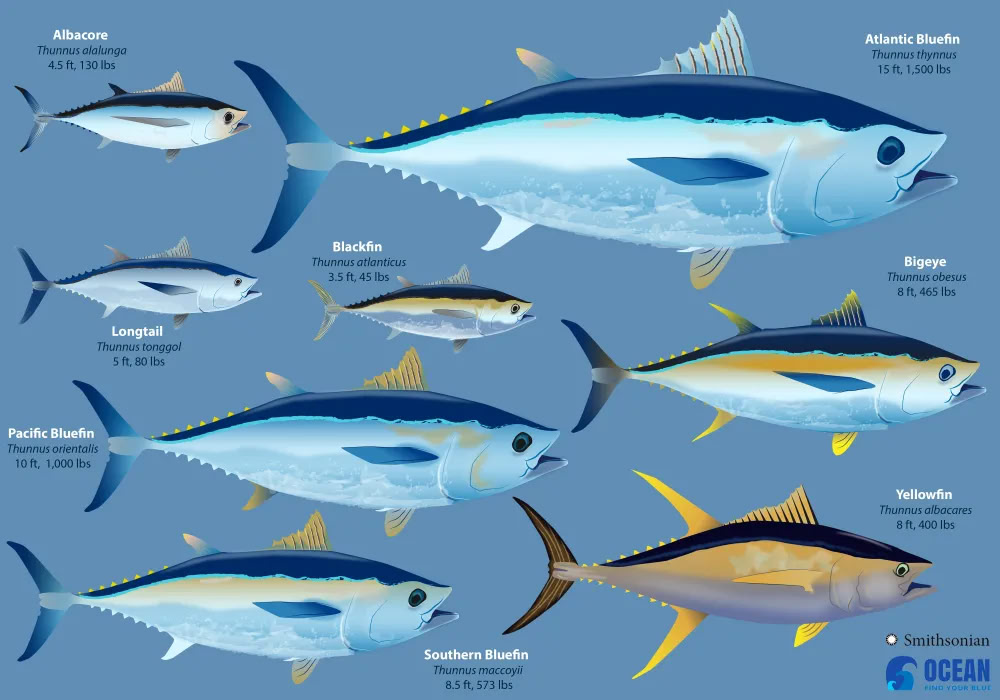
The Scombridae family includes not only tuna but also mackerel, bonito, and other related species. True tuna belong mainly to the genus Thunnus, encompassing several key species:
- Albacore Tuna (Thunnus alalunga): Known for its light meat and high oil content, albacore is a popular choice for canning.
- Yellowfin Tuna (Thunnus albacares): Characterized by its yellow fins, this species is widely used for sushi and sashimi, as well as canning.
- Bigeye Tuna (Thunnus obesus): Another popular choice for sushi and sashimi, bigeye tuna have a distinctive large eye.
- Bluefin Tuna (Thunnus thynnus, Thunnus orientalis, Thunnus maccoyii): These are the largest tuna species and highly valued in the sushi market, particularly the Pacific and Atlantic bluefin. Southern Bluefin are also included.
- Skipjack Tuna (Katsuwonus pelamis): The most commonly canned tuna species, skipjack are smaller and more abundant than other tuna species.
Biology and Characteristics
Tuna are remarkable fish adapted for speed and endurance. They possess several key characteristics:
- Streamlined Body: Their torpedo-shaped bodies reduce drag, enabling them to swim at high speeds.
- Powerful Muscles: Tuna have powerful muscles that allow for sustained swimming and bursts of speed.
- Warm-Bloodedness: Unlike most fish, tuna are partially warm-blooded, allowing them to maintain a higher body temperature, which enhances their muscle performance and allows them to thrive in a wide range of water temperatures. They achieve this through a counter-current heat exchange system.
- Constant Swimming: Tuna must swim constantly to breathe, as they use ram ventilation to force water over their gills.
Global Tuna Production
Tuna fisheries operate globally, with significant catches occurring in the Pacific, Atlantic, and Indian Oceans. Several countries are major players in tuna fishing and processing:
- Leading Fishing Nations: Indonesia, Japan, Spain, Taiwan, and the Philippines are among the top nations involved in tuna fishing.
- Fishing Methods: Various methods are used, including purse seining, longlining, and pole-and-line fishing. Each method has different impacts on bycatch and sustainability.
- Canned Tuna Production: Thailand, the United States, and Spain are major centers for canned tuna production. The canned tuna industry is a multi-billion dollar global market.
Tuna as a Canned Food
Tuna is a staple canned food, offering a convenient and affordable source of protein. Canning involves processing and sealing tuna meat in airtight containers to preserve it.
- Types of Canned Tuna: Tuna is typically canned in water, oil, or flavored sauces. Different species, such as albacore and skipjack, offer variations in taste and texture.
- Nutritional Value: Canned tuna is rich in protein, omega-3 fatty acids, and essential vitamins and minerals.
- Sustainability Concerns: Overfishing and unsustainable fishing practices pose significant threats to tuna populations. Consumers are increasingly seeking sustainably sourced tuna products, certified by organizations such as the Marine Stewardship Council (MSC).
Conclusion
Tuna fish are an important part of the marine ecosystem and a vital global food resource. Understanding their biology, the scale of tuna production, and the importance of sustainable fishing practices is crucial for ensuring the long-term health of tuna populations and the continued availability of this valuable food source.
Frequently Asked Questions (FAQs)
Q: What is the difference between white tuna and light tuna?
A: White tuna typically refers to albacore tuna, which has a lighter colored meat and milder flavor. Light tuna is usually skipjack or yellowfin tuna, which have a darker colored meat and a stronger flavor.
Q: Is canned tuna healthy?
A: Yes, canned tuna is a good source of protein, omega-3 fatty acids, and essential vitamins and minerals. However, it’s important to be mindful of mercury levels, especially for pregnant women and young children.
Q: How can I ensure I’m buying sustainably sourced tuna?
A: Look for tuna products that are certified by organizations such as the Marine Stewardship Council (MSC). These certifications indicate that the tuna has been caught using sustainable fishing practices.
Q: What are the main threats to tuna populations?
A: Overfishing, habitat destruction, and climate change are the main threats to tuna populations. Unsustainable fishing practices can deplete tuna stocks and harm marine ecosystems.
Q: How do tuna breathe?
A: Tuna breathe by swimming constantly to force water over their gills, a process called ram ventilation.