Skipjack Tuna vs. Light Chunk Tuna: Understanding the Differences
Introduction
Tuna is a popular and versatile fish enjoyed worldwide. Among the various types of tuna available, skipjack and light chunk tuna are commonly found in canned tuna products. While often used interchangeably, they aren’t the same. This comprehensive guide explores the key differences between skipjack tuna and light chunk tuna, helping you make informed choices when purchasing tuna fish products.
Main Content
What is Skipjack Tuna?
Skipjack tuna (Katsuwonus pelamis) is a relatively small species of tuna, characterized by its streamlined body and dark purple coloration on the back. It’s a highly migratory species, found in tropical and subtropical waters worldwide. Skipjack tuna is a popular choice for canned tuna due to its abundance and relatively low cost.
Key Characteristics of Skipjack Tuna:
- Species: Katsuwonus pelamis
- Flavor: Stronger, more pronounced tuna flavor.
- Texture: Firmer and drier texture compared to other tunas.
- Color: Darker flesh, often a reddish-brown hue.
- Size: Smaller than other tuna species, typically weighing between 4-10 pounds.
- Uses: Primarily used in canned tuna products.
What is Light Chunk Tuna?
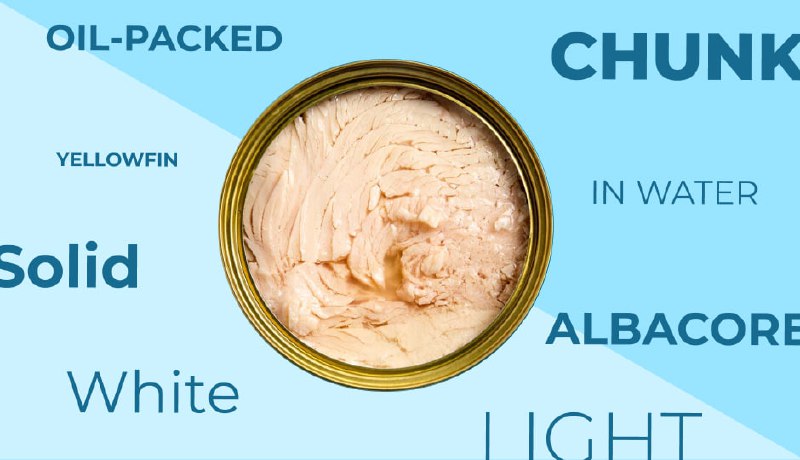
Light chunk tuna, unlike skipjack, isn’t a specific species. Instead, it’s a category of canned tuna that typically consists of a mix of smaller tuna species. This usually includes skipjack, but can sometimes include yellowfin (Thunnus albacares) or bigeye (Thunnus obesus) tuna, particularly in “light” tuna varieties.
Key Characteristics of Light Chunk Tuna:
- Species: A blend of different tuna species, primarily skipjack, but sometimes yellowfin or bigeye.
- Flavor: Milder, more subtle tuna flavor than pure skipjack.
- Texture: Softer and moister texture compared to skipjack.
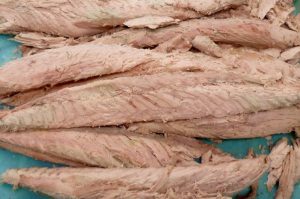
- Color: Lighter flesh, typically a light pink or tan color.
- Size: As it’s a mix, the size of the fish used varies.
- Uses: Commonly used in canned tuna, tuna salads, and sandwiches.
Key Differences: A Comparison Table
| Feature | Skipjack Tuna | Light Chunk Tuna |
|—————–|——————————————|——————————————————-|
| Species | Katsuwonus pelamis | Blend of tuna species (primarily skipjack) |
| Flavor | Stronger, more pronounced | Milder, more subtle |
| Texture | Firmer, drier | Softer, moister |
| Color | Darker (reddish-brown) | Lighter (light pink or tan) |
| Cost | Generally more affordable | Varies, but often slightly more expensive than pure skipjack |
Why the Differences Matter
Understanding these differences can help you choose the right canned tuna for your needs:
- Flavor Preference: If you prefer a strong tuna flavor, skipjack is the better choice. For a more delicate flavor, opt for light chunk tuna.
- Texture Preference: If you want a firmer texture, skipjack is the way to go. If you prefer a softer, moister texture, light chunk tuna is preferable.
- Cost: Skipjack is typically the more budget-friendly option.
- Sustainability: Sustainability practices vary among different brands and fishing methods. Always look for sustainably sourced tuna, regardless of the type.
Tuna Fish Products: What to Look For
When purchasing tuna fish products, consider the following:
- Species: Check the label to see which species of tuna are used. Is it pure skipjack, or a blend of different species?
- Sourcing: Look for labels that indicate sustainable fishing practices, such as Marine Stewardship Council (MSC) certification.
- Packaging: Choose BPA-free cans or pouches.
- Additives: Be mindful of additives like salt, oil, or flavorings. Opt for tuna packed in water or olive oil with minimal additives.
Conclusion
While both skipjack and light chunk tuna are popular choices for canned tuna, they offer distinct flavor profiles and textures. Skipjack tuna provides a stronger, more assertive tuna taste with a firmer texture, while light chunk tuna offers a milder, more subtle flavor and softer texture. By understanding these differences, you can select the tuna product that best suits your taste preferences and dietary needs, while also considering sustainability factors.
Frequently Asked Questions (FAQs)
Q: Is skipjack tuna healthy?
A: Yes, skipjack tuna is a good source of protein, omega-3 fatty acids, and essential nutrients. However, it can contain higher levels of mercury than some other tuna species, so moderation is key.
Q: Is light chunk tuna better than skipjack?
A: Neither is inherently “better.” It depends on your personal preferences. Light chunk tuna has a milder flavor and softer texture, while skipjack has a stronger flavor and firmer texture.
Q: How do I choose sustainable tuna?
A: Look for labels like Marine Stewardship Council (MSC) certification or consult resources like Seafood Watch to identify sustainably sourced tuna options.
Q: What’s the difference between tuna in oil and tuna in water?
A: Tuna in oil has a richer flavor and higher fat content, while tuna in water is lower in calories and fat. The choice depends on your dietary needs and taste preferences.
Q: Can I eat canned tuna every day?
A: While tuna is nutritious, it’s best to consume it in moderation due to potential mercury content. Follow dietary guidelines and consult with a healthcare professional if you have concerns.