Spicy Tuna Rice Bowl: An Easy and Delicious Asian-Inspired Recipe
Introduction
Tired of the same old lunches or looking for a quick and satisfying dinner? This Spicy Tuna Rice Bowl is the perfect solution! Combining the fresh flavors of tuna with a kick of spice and the comforting base of fluffy rice, this Asian-inspired recipe is both easy to make and incredibly delicious. It’s a customizable dish that allows you to adjust the spice level and toppings to your liking, making it a versatile option for any palate.
Main Content
This recipe focuses on creating a flavorful and balanced Spicy Tuna Rice Bowl. We’ll cover the ingredients, step-by-step instructions, and tips for customizing your bowl to perfection.
Ingredients
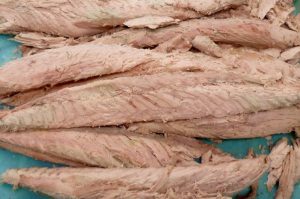
- Tuna: 1 can (5 ounces) of tuna in water or oil, drained. Albacore or yellowfin tuna work well.
- Cooked Rice: 2 cups of cooked rice (white, brown, or sushi rice). Sushi rice will provide a slightly stickier texture.
- Mayonnaise: 2 tablespoons. Japanese mayo (Kewpie) adds a richer flavor.
- Sriracha: 1-2 teaspoons (adjust to your spice preference).
- Soy Sauce: 1 tablespoon.
- Sesame Oil: 1 teaspoon.
- Rice Vinegar: 1 teaspoon.
- Green Onions: 2, thinly sliced.
- Sesame Seeds: 1 tablespoon, toasted (optional).
- Avocado: 1/2, sliced (optional).
- Seaweed Snacks: A few sheets, crumbled (optional).
- Pickled Ginger: (optional).
- Furikake: (optional Japanese seasoning mix)
Instructions
- Prepare the Spicy Tuna Mixture: In a medium bowl, combine the drained tuna, mayonnaise, sriracha, soy sauce, sesame oil, and rice vinegar. Mix well until everything is evenly combined. Taste and adjust the sriracha level to your desired spiciness.
- Prepare the Rice: If using freshly cooked rice, let it cool slightly. If using leftover rice, you can gently warm it up.
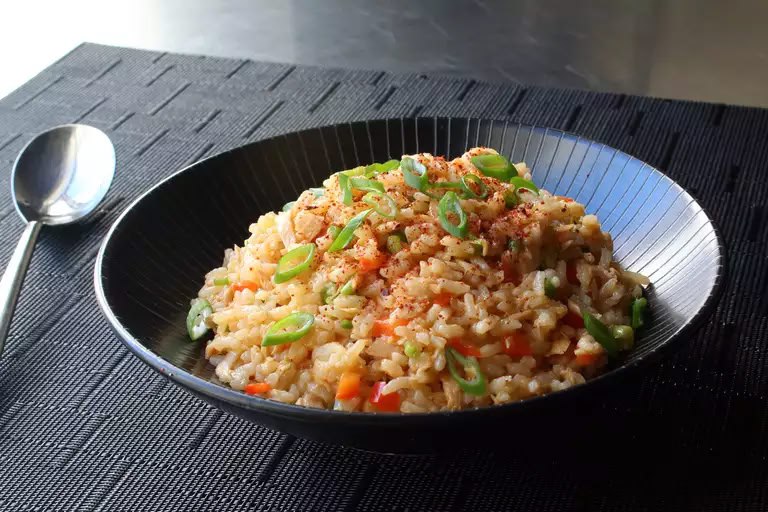
- Assemble the Bowl: Divide the cooked rice between two bowls. Top each bowl with half of the spicy tuna mixture.
- Add Toppings: Garnish with sliced green onions, sesame seeds, and any other desired toppings such as sliced avocado, crumbled seaweed snacks, pickled ginger, or furikake.
- Serve Immediately: Enjoy your delicious and easy Spicy Tuna Rice Bowl!
Tips and Customizations
- Spice Level: Start with a small amount of sriracha and add more to taste. You can also use other chili sauces or flakes to adjust the spice.
- Tuna Type: Feel free to experiment with different types of tuna. Tuna in oil will add more richness to the dish.
- Rice Options: Any type of cooked rice will work, but sushi rice provides a nice, slightly sticky texture that holds the flavors well.
- Vegetarian Option: Substitute the tuna with seasoned tofu or tempeh for a vegetarian version.
- Extra Crunch: Add some chopped cucumber or shredded carrots for extra crunch.
- Protein Boost: Add a fried egg on top for extra protein.
- Wasabi: A small dab of wasabi can add another layer of flavor.
Conclusion
The Spicy Tuna Rice Bowl is a fantastic meal option for those seeking a quick, flavorful, and customizable dish. With its simple ingredients and easy preparation, it’s a perfect weeknight dinner or a satisfying lunch. Don’t be afraid to experiment with different toppings and variations to create your own signature version!
Frequently Asked Questions (FAQs)
Q: Can I make this recipe ahead of time?
A: While the spicy tuna mixture can be made a few hours in advance and stored in the refrigerator, it’s best to assemble the bowl just before serving to prevent the rice from becoming soggy.
Q: How long does the spicy tuna mixture last in the fridge?
A: The spicy tuna mixture can be stored in an airtight container in the refrigerator for up to 2 days.
Q: Can I use canned salmon instead of tuna?
A: Yes, canned salmon can be used as a substitute for tuna. The flavor will be slightly different, but it’s still a delicious option.
Q: What is Furikake?
A: Furikake is a Japanese seasoning mix typically made from dried seaweed, sesame seeds, sugar, salt, and sometimes dried fish flakes. It adds a savory and slightly sweet flavor to rice dishes.
Q: Is this recipe gluten-free?
A: This recipe can be gluten-free if you use gluten-free soy sauce (tamari). Be sure to check the labels of all ingredients to ensure they are gluten-free.