Canned Tuna: Is Boiling Necessary Before Consumption?
Introduction
Canned tuna is a pantry staple for many, prized for its affordability, convenience, and high protein content. It’s a quick and easy way to add protein to salads, sandwiches, and pasta dishes. A common question that arises, however, is whether canned tuna needs to be boiled before consumption. This article will explore this question, providing clarity and addressing safety concerns surrounding canned tuna fish.
Main Content
Is Boiling Canned Tuna Necessary?
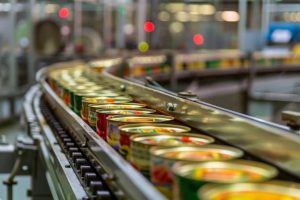
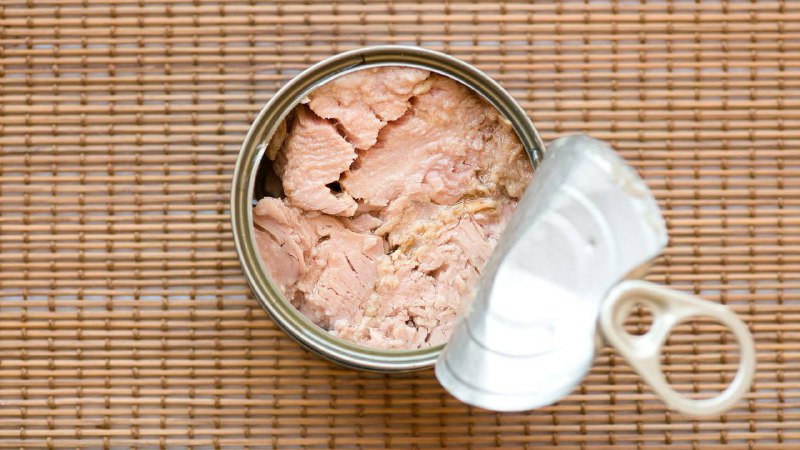
The short answer is no, boiling canned tuna is not necessary before you eat it. Canned tuna undergoes a thorough cooking process during manufacturing, which eliminates harmful bacteria and makes it safe to consume directly from the can. The canning process involves sealing the tuna in a can and then heating it to a high temperature, effectively sterilizing the contents. This process ensures that any potential pathogens are destroyed.
Why Do Some People Think Boiling is Necessary?
The confusion may stem from a few factors:
- Misinformation: Some people may have heard that all canned goods need to be boiled to prevent botulism. While this is true for home-canned goods, commercially canned tuna is processed under strict regulations and quality control measures, making botulism extremely rare.
- Taste Preference: Some individuals might prefer the taste or texture of tuna after boiling, believing it removes excess oil or sodium. However, this is purely a matter of personal preference and not a safety requirement.
- Specific Recipes: Certain recipes might call for boiling tuna as part of the overall cooking process for flavor integration or to further soften the fish. In these cases, boiling is recipe-specific and not a general requirement for safe consumption.
Safety Considerations with Canned Tuna
While boiling is not necessary, it’s important to consider these safety aspects when consuming canned tuna:
- Mercury Levels: Tuna contains mercury, a heavy metal that can be harmful in high doses. Larger, predatory tuna species tend to have higher mercury levels. Choose canned light tuna, which is typically made from smaller tuna species (like skipjack), as it generally contains lower mercury levels compared to canned white tuna (albacore). The FDA and EPA provide guidelines on safe consumption amounts, especially for pregnant women and children.
- Storage: Store unopened cans of tuna in a cool, dry place. Once opened, transfer any unused portion to an airtight container and refrigerate it immediately. Consume refrigerated tuna within 3-4 days.
- Spoilage: If the can is bulging, leaking, or severely dented, discard it immediately, as it may indicate spoilage. Similarly, if the tuna has an unusual odor or appearance, do not consume it.
- Sodium Content: Canned tuna can be relatively high in sodium. Opt for low-sodium or no-salt-added varieties if you’re watching your sodium intake. Rinsing the tuna before using it can also help reduce sodium levels.
Nutritional Benefits of Canned Tuna
Despite safety considerations, canned tuna offers several nutritional benefits:
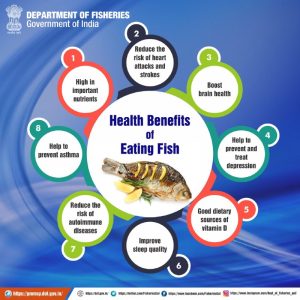
- Protein: An excellent source of lean protein, essential for muscle building and repair.
- Omega-3 Fatty Acids: Contains omega-3 fatty acids, beneficial for heart health and brain function.
- Vitamin D: Provides Vitamin D which is crucial for bone health and immune system.
- Selenium: A good source of selenium, an antioxidant that supports thyroid function.
Conclusion
Boiling canned tuna before eating it is not a necessity. It is already cooked and safe to consume directly from the can. However, it’s essential to be mindful of mercury levels, proper storage, and potential spoilage. Enjoy canned tuna as a convenient and nutritious addition to your diet, remembering to follow recommended consumption guidelines.
Frequently Asked Questions (FAQs)
Q: Can I get sick from eating canned tuna?
A: If the canned tuna is properly stored and shows no signs of spoilage, the risk of getting sick is very low. Adhering to safe storage practices and consuming it within the recommended timeframe are essential.
Q: How much canned tuna can I eat per week?
A: The recommended amount depends on the type of tuna and individual factors. Check the FDA and EPA guidelines for specific recommendations, especially for pregnant women and children. Generally, canned light tuna can be consumed more frequently than canned white tuna due to its lower mercury content.
Q: Does rinsing canned tuna remove mercury?
A: Rinsing canned tuna primarily helps to reduce sodium content but will not significantly reduce mercury levels. Mercury is bound to the proteins in the tuna.
Q: Is it safe to eat canned tuna every day?
A: Eating canned tuna every day is not generally recommended due to mercury levels. It’s best to vary your protein sources and follow the FDA and EPA guidelines for safe consumption amounts.
Q: What are the best ways to use canned tuna?
A: Canned tuna can be used in various dishes, including tuna salads, sandwiches, pasta sauces, casseroles, and tuna melts. It’s a versatile ingredient that can be easily incorporated into quick and healthy meals.