Canned Tuna: A Deep Dive into the Global Market, Consumption Trends, and the Future of a Seafood Staple
Introduction
Canned tuna is a ubiquitous product found in pantries worldwide. It’s a convenient, affordable, and protein-rich food that plays a significant role in the global seafood industry. This article provides an in-depth look at the canned tuna global market, examining consumption patterns, emerging trends, and the factors shaping its future.
Main Content
The Global Canned Tuna Market: An Overview
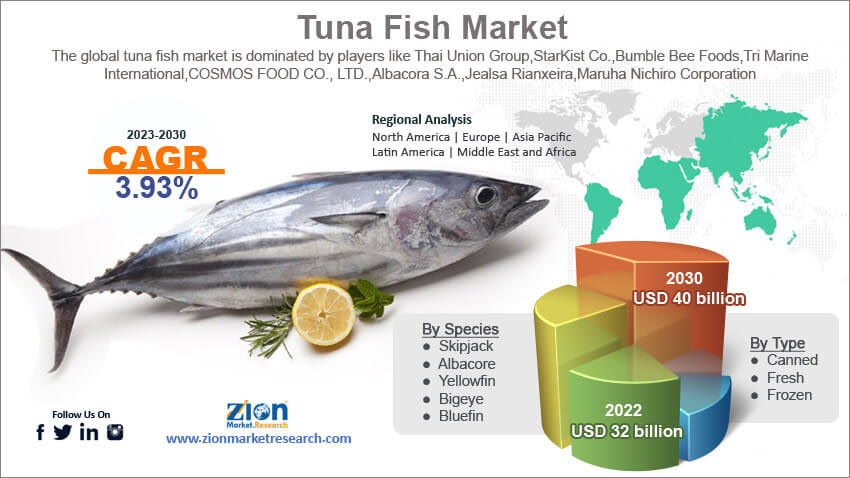
The global canned tuna market is a multi-billion dollar industry, driven by factors such as increasing consumer demand for convenient and healthy food options, rising disposable incomes in developing countries, and advancements in processing and packaging technologies. Key players in this market include major seafood companies, processing plants, and distribution networks spanning continents.
Consumption Patterns: Who Eats the Most Canned Tuna?
Consumption patterns vary significantly across different regions. Developed countries like the United States, Europe (particularly Spain and Italy), and Japan have traditionally been major consumers of canned tuna. However, emerging markets in Asia (Southeast Asia, China, and India) and Latin America are experiencing rapid growth in consumption due to changing dietary habits and increased availability. Factors influencing consumption include:
- Price: Canned tuna is generally more affordable than fresh tuna, making it accessible to a wider range of consumers.
- Convenience: Its long shelf life and ease of preparation make it a popular choice for quick meals and snacks.
- Health Benefits: Canned tuna is a good source of protein, omega-3 fatty acids, and essential nutrients.
- Cultural Preferences: Dietary habits and traditional recipes influence the type and preparation of canned tuna consumed in different regions.
Key Market Trends Shaping the Industry
Several key trends are shaping the global canned tuna market:
- Sustainability Concerns: Growing awareness of overfishing and its impact on marine ecosystems has led to increased demand for sustainably sourced tuna. Consumers are increasingly looking for certifications like the Marine Stewardship Council (MSC) label.
- Traceability and Transparency: Consumers are demanding greater transparency in the supply chain, wanting to know where their tuna comes from and how it was caught.
- Product Innovation: Manufacturers are introducing new flavors, formats, and packaging options to appeal to changing consumer preferences. This includes flavored tuna pouches, ready-to-eat meals, and innovative packaging materials.
- Rise of Private Label Brands: Supermarkets and retailers are increasingly offering their own private label canned tuna products, competing with established brands on price and value.
- Online Retail and E-commerce: The growth of online retail channels is providing consumers with greater access to a wider range of canned tuna products and brands.
Challenges Facing the Canned Tuna Market
Despite its growth, the canned tuna market faces several challenges:
- Overfishing and Sustainability: Maintaining sustainable fishing practices is crucial for the long-term health of the industry.
- Price Volatility: Fluctuations in tuna prices can impact profitability for processors and retailers.
- Competition from Other Protein Sources: Canned tuna faces competition from other affordable protein sources like chicken, beans, and plant-based alternatives.
- Mercury Content Concerns: Concerns about mercury levels in tuna can deter some consumers.
The Future of Canned Tuna
The future of the canned tuna market will depend on the industry’s ability to address sustainability concerns, innovate with new products and packaging, and adapt to changing consumer preferences. Key areas of focus include:
- Investing in Sustainable Fishing Practices: Supporting initiatives to reduce overfishing and protect marine ecosystems.
- Developing Innovative Products: Creating new flavors, formats, and packaging options to appeal to a wider range of consumers.
- Improving Traceability and Transparency: Providing consumers with greater information about the origin and sustainability of their tuna.
- Promoting the Health Benefits of Canned Tuna: Educating consumers about the nutritional value of canned tuna and its role in a healthy diet.
Conclusion
The global canned tuna market is a dynamic and evolving industry. While it faces challenges related to sustainability and competition, it also presents opportunities for growth and innovation. By addressing these challenges and adapting to changing consumer preferences, the canned tuna industry can ensure its long-term success and continue to provide a convenient and affordable source of protein for consumers worldwide.
Frequently Asked Questions (FAQs)
Q: What are the main types of canned tuna?
A: The main types are albacore (white tuna) and skipjack/yellowfin (light tuna). Albacore is typically more expensive and has a milder flavor.
Q: Is canned tuna healthy?
A: Yes, canned tuna is a good source of protein, omega-3 fatty acids, and essential nutrients. However, it’s important to be mindful of mercury levels and consume it in moderation.
Q: How can I ensure I’m buying sustainable canned tuna?
A: Look for certifications like the Marine Stewardship Council (MSC) label, which indicates that the tuna has been sourced from a sustainable fishery.
Q: What are some common ways to eat canned tuna?
A: Canned tuna can be used in salads, sandwiches, pasta dishes, casseroles, and many other recipes.
Q: How long does canned tuna last?
A: Canned tuna typically has a shelf life of 2-5 years when stored properly in a cool, dry place.