Skipjack Tuna vs. Yellowfin Tuna: A Comprehensive Comparison
Introduction
Tuna is a popular and versatile seafood choice enjoyed worldwide. Among the various tuna species, skipjack and yellowfin are two of the most commonly consumed. Both offer distinct flavors, textures, and nutritional profiles. This article provides a detailed comparison of skipjack and yellowfin tuna, covering their characteristics, uses, and sustainability aspects to help you make informed choices.
Main Content
1. Appearance and Identification
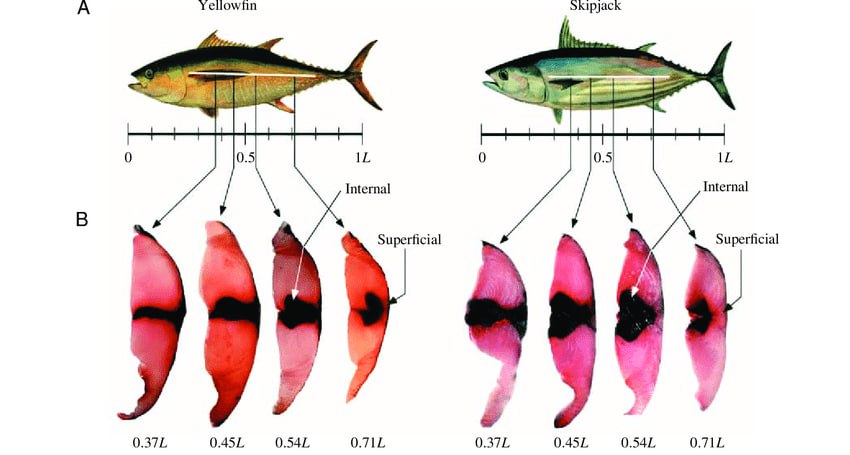
- Skipjack Tuna: Skipjack ( Katsuwonus pelamis) is the smallest and most abundant tuna species. It has a streamlined body with dark purple-blue on the back, silvery sides, and a distinctive series of dark, broken stripes running horizontally along its lower flanks. They generally weigh between 4-10 pounds.
- Yellowfin Tuna: Yellowfin (Thunnus albacares) is larger than skipjack, with a dark metallic blue back, bright yellow sides, and a yellow dorsal and anal fin, hence the name. Yellowfin tuna can reach significant sizes, often weighing between 40-200 pounds or more.
2. Taste and Texture
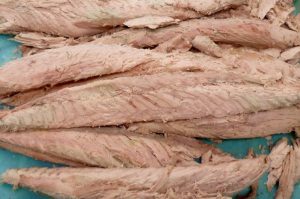
- Skipjack Tuna: Skipjack has a more pronounced, fishy flavor compared to yellowfin. Its texture is generally firmer and slightly coarser. It’s often described as having a more intense “tuna” taste.
- Yellowfin Tuna: Yellowfin boasts a milder, more subtle flavor with a buttery, almost steak-like texture. It’s considered more delicate and is highly prized for raw consumption, such as in sushi and sashimi.
3. Culinary Uses
- Skipjack Tuna: Due to its strong flavor and firmer texture, skipjack is predominantly used in canned tuna products. Its robust taste holds up well in processing and complements other ingredients in tuna salads, casseroles, and sandwiches. It is also used for katsuobushi (dried, fermented, and smoked tuna) in Japanese cuisine.
- Yellowfin Tuna: Yellowfin’s mild flavor and tender texture make it ideal for a broader range of culinary applications. It’s excellent seared, grilled, or baked and is a popular choice for sushi, sashimi, and tuna steaks. It is also canned, although generally considered a higher quality canned tuna than skipjack.
4. Nutritional Value
Both skipjack and yellowfin tuna are excellent sources of protein, omega-3 fatty acids, vitamin D, and selenium. However, there are some slight differences:
- Skipjack Tuna: Generally contains slightly less fat and fewer calories per serving than yellowfin.
- Yellowfin Tuna: May have a slightly higher concentration of omega-3 fatty acids due to its higher fat content.
Both are very healthy choices overall.
5. Sustainability Considerations
- Skipjack Tuna: Generally considered a more sustainable choice than some other tuna species because of its abundance and high reproductive rate. However, fishing methods can impact other marine life, so look for sustainably certified options like those labeled with the Marine Stewardship Council (MSC) certification.
- Yellowfin Tuna: Certain yellowfin populations are facing overfishing, making it crucial to choose sustainably sourced options. Look for certifications and check the origin of the tuna to ensure it comes from well-managed fisheries.
6. Price
Generally, skipjack tuna is less expensive than yellowfin tuna. This is largely due to its abundance and primary use in canned products. Yellowfin, especially high-grade sushi-quality yellowfin, commands a premium price due to its desirable flavor and texture.
Conclusion
Skipjack and yellowfin tuna are both nutritious and versatile seafood options, each with its unique characteristics. Skipjack offers a bolder flavor and is commonly found in canned goods, while yellowfin provides a milder taste and is favored for raw preparations and steaks. When choosing between the two, consider your culinary needs, taste preferences, and sustainability concerns. Opting for sustainably sourced tuna is crucial to ensure the long-term health of tuna populations and the marine ecosystem.
Frequently Asked Questions (FAQs)
Q: Which tuna is better for sushi?
A: Yellowfin tuna is generally preferred for sushi and sashimi due to its mild flavor, buttery texture, and appealing color.
Q: Is skipjack tuna healthy?
A: Yes, skipjack tuna is a healthy source of protein, omega-3 fatty acids, and other essential nutrients.
Q: Which tuna has more mercury?
A: Larger, longer-lived tuna species, like yellowfin, can potentially accumulate more mercury than smaller, shorter-lived species like skipjack. However, mercury levels can vary depending on the fishing location and the size of the fish. It is important to consume tuna in moderation, especially for pregnant women and young children.
Q: How can I ensure I’m buying sustainable tuna?
A: Look for certifications like the Marine Stewardship Council (MSC) label, which indicates that the tuna comes from a well-managed and sustainable fishery. You can also check seafood guides provided by organizations like the Monterey Bay Aquarium Seafood Watch.
Q: Can I use skipjack tuna for tuna steaks?
A: While it is possible, skipjack tuna is not typically used for tuna steaks due to its firmer texture and stronger flavor. Yellowfin is a more common and preferred choice for tuna steaks.