Tuna Fish Loin Processing: Industrial Production, Opportunities, Risks, and Infrastructure
Introduction
Tuna fish loin processing is a significant sector within the global seafood industry, representing a crucial link in the supply chain between harvesting and consumer consumption. This process involves transforming raw tuna into valuable products like canned tuna and frozen loins, destined for retail, foodservice, and further processing applications. This article provides a comprehensive overview of the industrial production of tuna fish loins, exploring the associated opportunities and risks, essential infrastructure requirements, and the industrial machinery that drives the process.
Main Content
1. Industrial Production of Tuna Fish Loin
The industrial production of tuna fish loins is a multi-stage process that demands precision, efficiency, and adherence to stringent food safety regulations.
a. Sourcing and Receiving:
The process begins with sourcing raw tuna from reputable fisheries that adhere to sustainable fishing practices. Upon arrival at the processing plant, the tuna undergoes rigorous inspection to ensure quality and freshness.
b. Thawing:
Frozen tuna is carefully thawed under controlled conditions to prevent bacterial growth and maintain product quality.
c. Heading and Gutting:
The tuna is then headed and gutted, removing the internal organs and head. This step is crucial for eliminating potential sources of contamination.
d. Cooking:
The tuna is pre-cooked, usually through steaming or baking, to coagulate the proteins and facilitate easier loin separation. Cooking parameters are carefully monitored to achieve optimal texture and yield.
e. Loin Separation:
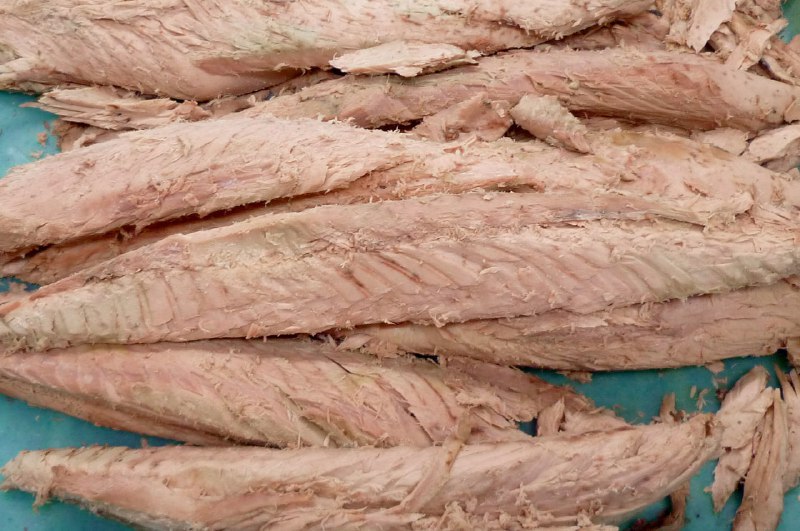
Skilled workers or specialized machinery separate the loins (the four main muscle sections of the fish) from the bones and skin. This process requires precision to minimize waste and maximize loin recovery.
f. Trimming and Cleaning:
The loins are meticulously trimmed to remove any remaining skin, bones, dark meat (which can impart a strong flavor), and blood spots. They are then thoroughly cleaned to ensure a high-quality final product.
g. Grading and Sorting:
The loins are graded based on color, size, and texture. This grading determines their suitability for different applications, such as canning or freezing.
h. Packaging:
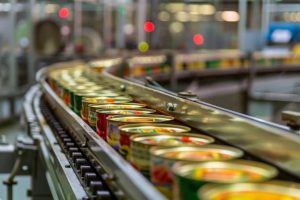
For canning, the loins are cut into appropriate sizes and packed into cans with brine or oil. Cans are then sealed and retorted (pressure-cooked) to sterilize the contents and ensure a long shelf life. For frozen loins, the loins are individually quick frozen (IQF) to preserve their quality and prevent ice crystal formation, followed by packaging.
2. Opportunities in Tuna Loin Processing
The tuna loin processing industry presents several compelling opportunities for businesses:
a. Growing Global Demand:
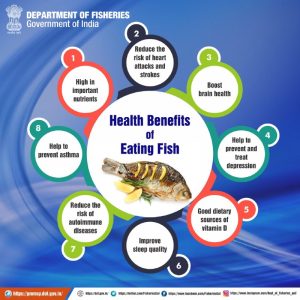
The global demand for tuna products is steadily increasing, driven by rising incomes, changing dietary preferences, and increased awareness of the health benefits of seafood.
b. Value-Added Products:
Tuna loins can be further processed into a variety of value-added products, such as flavored tuna pouches, tuna salads, and tuna steaks, catering to diverse consumer tastes and preferences.
c. Export Potential:
Many countries rely on imports to meet their tuna consumption needs, creating significant export opportunities for tuna loin processors.
d. By-product Utilization:
Tuna processing generates by-products like bones and skin, which can be processed into fishmeal, fish oil, and other valuable products, improving resource utilization and profitability.
3. Risks in Tuna Loin Processing
Despite the opportunities, the tuna loin processing industry also faces several significant risks:
a. Fluctuations in Raw Material Prices:
Tuna prices can be highly volatile, influenced by factors like fishing seasons, weather patterns, and regulatory changes. This price volatility can impact profitability.
b. Sustainability Concerns:
Overfishing and unsustainable fishing practices pose a major threat to tuna populations. Processors must ensure they source tuna from sustainable fisheries to maintain long-term supply and protect the environment.
c. Food Safety Hazards:
Tuna is susceptible to histamine formation (scombrotoxin fish poisoning) if not handled properly. Strict adherence to food safety regulations and temperature control is essential to prevent this hazard.
d. Competition:
The tuna processing industry is highly competitive, with many players vying for market share. Processors must focus on efficiency, innovation, and quality to remain competitive.
4. Infrastructure Requirements
A modern tuna loin processing plant requires a robust infrastructure to ensure efficient and safe operations:
a. Location:
The plant should be located near a reliable source of raw tuna and have good transportation links to facilitate the movement of raw materials and finished products.
b. Building:
The building should be designed to meet stringent hygiene standards and provide adequate space for processing, storage, and staff facilities.
c. Cold Storage:
Ample cold storage capacity is essential for storing raw tuna, semi-processed loins, and finished products at appropriate temperatures.
d. Water Supply:
A reliable source of potable water is crucial for cleaning, processing, and sanitation.
e. Waste Management:
A comprehensive waste management system is necessary to handle processing by-products and minimize environmental impact.
5. Industrial Machineries
The following industrial machineries are essential for tuna loin processing:
a. Thawing Equipment:
Specialized thawing chambers or tunnels to control the thawing process.
b. Heading and Gutting Machines:
Automated machines to efficiently remove heads and viscera.
c. Cooking Equipment:
Steam cookers, retorts, or ovens for pre-cooking the tuna.
d. Loin Separators:
Automated or semi-automated machines to separate loins from the fish.
e. Trimming Conveyors:
Conveyor systems with inspection stations for manual trimming and quality control.
f. Canning Lines:
Automated lines for filling cans with tuna and brine or oil, sealing, and retorting.
g. Freezing Equipment:
IQF freezers for rapidly freezing individual tuna loins.
h. Packaging Machines:
Machines for packaging frozen loins in bags or cartons.
Conclusion
Tuna fish loin processing is a vital industry that plays a key role in meeting global demand for seafood. By understanding the industrial production process, capitalizing on opportunities, mitigating risks, and investing in appropriate infrastructure and machinery, businesses can thrive in this dynamic and challenging market.
Frequently Asked Questions (FAQs)
Q: What are the main products derived from tuna loin processing?
A: The main products are canned tuna, frozen tuna loins, and various value-added tuna products like tuna salads and tuna steaks.
Q: What are the key considerations for sourcing raw tuna?
A: Key considerations include ensuring the tuna comes from sustainable fisheries, meeting quality standards, and complying with food safety regulations.
Q: What are the main food safety hazards associated with tuna processing?
A: The main food safety hazard is histamine formation (scombrotoxin fish poisoning), which can be prevented through proper handling and temperature control.
Q: What is IQF freezing?
A: IQF (Individually Quick Frozen) freezing is a method of rapidly freezing individual food items, such as tuna loins, to preserve their quality and prevent ice crystal formation.
Q: How can tuna processors ensure sustainability?
A: Tuna processors can ensure sustainability by sourcing tuna from fisheries certified by organizations like the Marine Stewardship Council (MSC) and by implementing responsible fishing practices.