Tuna Consumption in the Middle East, Central Asia, Africa, and Southeast Asia: A Regional Overview
Introduction
Tuna is a globally significant fish species, prized for its flavor, nutritional value, and versatility. While consumption patterns vary significantly across the world, this article provides an overview of tuna consumption trends in four key regions: the Middle East, Central Asia, Africa, and Southeast Asia. We will examine the factors influencing consumption in these regions, including cultural preferences, economic conditions, and availability.
Main Content
Middle East
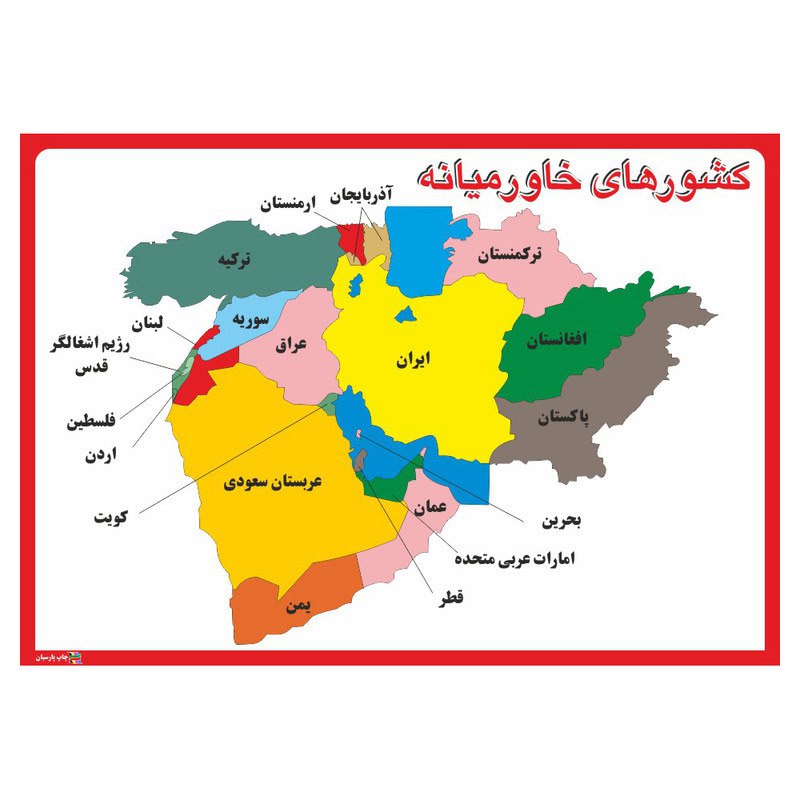
Tuna consumption in the Middle East is steadily increasing, driven by a growing population and rising disposable incomes. Canned tuna is a popular and affordable source of protein, widely consumed in sandwiches, salads, and rice dishes. Coastal countries like Oman and Yemen also have access to fresh tuna, which is often grilled or used in traditional seafood preparations. However, consumption varies significantly across the region. Countries like Saudi Arabia and the UAE, with larger expatriate populations, tend to have higher per capita consumption compared to countries with less diverse culinary influences. Awareness of the health benefits of tuna is also contributing to its increased popularity.
Central Asia
Tuna is not a traditional staple in Central Asian cuisine, primarily due to its landlocked geography. The availability of fresh tuna is limited, and canned tuna is the most common form of consumption. Import costs and logistical challenges contribute to higher prices, making it a less accessible option for many. However, as trade routes expand and incomes rise, particularly in urban centers like Almaty and Tashkent, tuna consumption is gradually increasing. The influence of global cuisine, especially sushi, is also playing a role in introducing tuna to a wider audience.
Africa
Tuna consumption in Africa exhibits a diverse range of patterns. Coastal nations such as Ghana, Senegal, and South Africa have a longer history of tuna consumption, with both fresh and canned tuna being readily available. Artisanal fishing provides a significant supply of fresh tuna in these regions. In contrast, landlocked countries face challenges in accessing fresh tuna, and canned tuna is the primary option. Affordability is a key factor, and tuna, being a relatively inexpensive source of protein, is crucial for many families. However, overfishing and sustainability concerns are becoming increasingly relevant in the region, prompting discussions about responsible sourcing and management of tuna stocks.
Southeast Asia
Southeast Asia is a major tuna producing and consuming region. Countries like the Philippines, Indonesia, and Thailand have extensive tuna fisheries and established canning industries. Tuna is a significant part of the local diet, consumed in various forms, including fresh, canned, dried, and smoked. In addition to direct human consumption, tuna is also used as feed in aquaculture. The region is a major exporter of canned tuna, supplying markets around the world. However, overfishing and illegal fishing activities pose significant threats to tuna populations in the region, necessitating stronger regulations and international cooperation to ensure sustainable fisheries management.
Conclusion
Tuna consumption patterns vary significantly across the Middle East, Central Asia, Africa, and Southeast Asia. While economic factors, cultural preferences, and geographic limitations play crucial roles, a general trend towards increasing tuna consumption is evident in many of these regions. Sustainable fishing practices and responsible sourcing are vital to ensure the long-term availability of this valuable resource.
Frequently Asked Questions (FAQs)
Q: What is the most common form of tuna consumption in landlocked countries?
A: Canned tuna is the most common form due to limited access to fresh tuna.
Q: Which regions have well-established tuna canning industries?
A: Southeast Asia, particularly the Philippines, Indonesia, and Thailand, has significant tuna canning industries.
Q: What are some factors driving the increase in tuna consumption in the Middle East?
A: Growing populations, rising disposable incomes, and increasing awareness of the health benefits of tuna are driving the increase.
Q: What are the main challenges facing tuna fisheries in Southeast Asia?
A: Overfishing and illegal fishing activities are the main challenges.
Q: Is tuna a significant source of protein in Africa?
A: Yes, tuna, especially canned tuna, is a relatively inexpensive and important source of protein for many families in Africa.