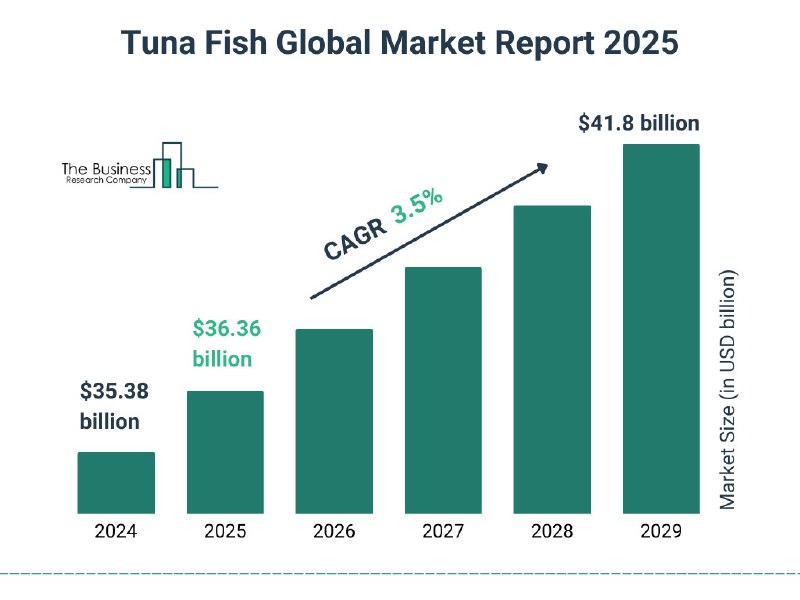
Tuna Market Analysis: 2024 Trends, Price Predictions for 2025 and Beyond (2029)
Introduction
The global tuna market is a significant component of the seafood industry, exhibiting dynamic trends influenced by factors such as fishing regulations, consumer demand, sustainability concerns, and economic conditions. This analysis provides an overview of the tuna market in 2024, including current trends and price predictions for 2025 and extending to 2029. We will delve into the key drivers shaping the market and discuss the potential challenges and opportunities that lie ahead.
Main Content
Tuna Market Overview 2024
In 2024, the tuna market is characterized by a mix of stability and emerging challenges. Key observations include:
- Strong Demand: Global demand for tuna remains robust, driven by its popularity in canned products, sushi, and other culinary applications. Developed regions like North America and Europe continue to be significant consumers, while emerging economies in Asia are exhibiting increasing demand.
- Price Fluctuations: Tuna prices are subject to fluctuations influenced by catch volumes, weather patterns (El Niño effects), and fuel costs for fishing vessels. Monitoring these factors is crucial for understanding short-term price movements.
- Sustainability Concerns: Growing consumer awareness of sustainable fishing practices has placed pressure on the industry to adopt responsible sourcing and fishing methods. Marine Stewardship Council (MSC) certification is increasingly important for market access.
- Regulatory Landscape: Fishing regulations and quotas imposed by regional fisheries management organizations (RFMOs) play a critical role in controlling catch levels and ensuring the long-term sustainability of tuna stocks. Changes in these regulations can significantly impact market dynamics.
- Supply Chain Disruptions: Geopolitical events and logistical challenges can disrupt the tuna supply chain, leading to price volatility and affecting the availability of tuna products.
Price Prediction for 2025
Predicting tuna prices for 2025 involves considering several factors:
- Catch Levels: Assuming stable fishing regulations and average weather conditions, tuna catch levels are expected to remain relatively consistent. However, unexpected events like disease outbreaks or significant changes in ocean currents could impact catch volumes and prices.
- Demand Growth: Moderate demand growth is anticipated, driven by increasing populations and disposable incomes in emerging markets. This will likely put upward pressure on prices.
- Inflationary Pressures: Broader macroeconomic factors, such as inflation and rising energy costs, could also contribute to higher tuna prices in 2025.
Based on these factors, a conservative estimate suggests a moderate price increase of 3-5% for various tuna species in 2025 compared to 2024 levels. This prediction assumes no major disruptions to supply chains or significant changes in fishing regulations.
Long-Term Outlook: 2029 Predictions
Looking further ahead to 2029, the tuna market is expected to undergo more significant changes:
- Increased Focus on Sustainability: Sustainability will become an even more critical factor, with consumers and retailers increasingly demanding sustainably sourced tuna. Companies that fail to adopt responsible fishing practices may face market access challenges.
- Technological Advancements: Technological innovations, such as improved fishing gear and traceability systems, could enhance the efficiency and sustainability of tuna fisheries.
- Climate Change Impacts: Climate change is expected to have a growing impact on tuna stocks, potentially altering migration patterns and affecting catch levels in certain regions. This could lead to greater price volatility and supply disruptions.
- Alternative Protein Sources: The rise of alternative protein sources, such as plant-based seafood, could pose a competitive threat to the tuna market. However, the extent of this impact remains uncertain.
Given these long-term trends, predicting specific price points for 2029 is challenging. However, several scenarios are possible:
- Base Case: Assuming moderate climate change impacts and continued efforts to promote sustainable fishing, tuna prices could experience a gradual increase of 1-3% per year between 2025 and 2029.
- Optimistic Scenario: If technological advancements and effective fisheries management policies lead to improved stock health, tuna prices could stabilize or even decrease slightly in real terms.
- Pessimistic Scenario: If climate change significantly reduces tuna stocks and sustainability concerns are not adequately addressed, prices could surge dramatically, potentially by more than 5% per year.
Global Market Analysis
The global tuna market is influenced by various regional dynamics:
- Asia-Pacific: The Asia-Pacific region is a major producer and consumer of tuna. Countries like Japan, Thailand, and the Philippines are key players in the industry. Growing demand from China and other emerging economies is expected to drive market growth in this region.
- Europe: Europe is a significant importer of tuna, with Spain, Italy, and France being major consumers. Sustainability concerns are particularly prominent in this market, driving demand for MSC-certified products.
- North America: The United States is a major consumer of canned tuna. Demand is relatively stable, but increasing awareness of health and sustainability issues is influencing purchasing decisions.
- Latin America: Latin American countries, such as Ecuador and Mexico, are important tuna producers. The region’s proximity to major tuna fishing grounds gives it a competitive advantage.
Conclusion
The global tuna market in 2024 is characterized by strong demand, price fluctuations, and increasing sustainability concerns. While a moderate price increase is expected in 2025, the long-term outlook for 2029 is more uncertain, with climate change and sustainability issues posing significant challenges. Stakeholders in the tuna industry must adapt to these evolving trends by adopting responsible fishing practices, investing in technological innovation, and promoting consumer awareness of sustainable seafood choices.
Frequently Asked Questions (FAQs)
Q: What are the main factors affecting tuna prices?
A: Tuna prices are influenced by catch volumes, weather patterns, fishing regulations, fuel costs, demand, and macroeconomic factors such as inflation.
Q: What is MSC certification, and why is it important?
A: MSC (Marine Stewardship Council) certification is a label that indicates tuna has been sourced from a sustainable fishery. It is increasingly important for market access as consumers and retailers prioritize sustainable seafood.
Q: How is climate change impacting the tuna market?
A: Climate change can alter tuna migration patterns, affect catch levels, and lead to price volatility. It poses a significant long-term challenge to the industry.
Q: What are some strategies for ensuring the sustainability of tuna fisheries?
A: Strategies include implementing effective fishing regulations, reducing bycatch, protecting critical habitats, and promoting responsible fishing practices.
Q: What is the role of RFMOs in managing tuna stocks?
A: Regional Fisheries Management Organizations (RFMOs) are international bodies that set fishing quotas and regulations to manage tuna stocks and ensure their long-term sustainability.